Halloween and food allergies: sweets, chocolate and good habits
On Halloween night, children come home with a bag full of sweets from all over the place, often without their original packaging. For a child with an allergy, the evening needs a little planning. Here is where allergens hide, and the habits that let everyone enjoy the party.
- BeforeA stash of safe, checked sweets to swap.
- DuringNothing is eaten before getting home. The emergency kit goes along.
- Back homeSort together: no readable label, swap it.
- In the appScan the bag or take a photo of the label.
Where do allergens hide?
- Chocolates and bars: almost always milk, often soya (lecithin), sometimes tree nuts, peanuts or wheat (wafer, biscuit, puffed cereals).
- Caramels and spreads: milk (butter, cream), sometimes hazelnuts.
- Nougat, praline, marzipan: tree nuts (almond, hazelnut) and often egg (egg white).
- Liquorice: often contains wheat flour, so gluten.
- Marshmallows and meringues: egg in some recipes.
- Home-made sweets or baked treats: no label at all. Best to set them aside.
A useful detail: under EU rules, "wheat glucose syrup" and "dextrose" are not considered a source of gluten. They are not highlighted as an allergen.
Halloween-specific traps
- Mini sizes: small sweets wrapped one by one and sold in family bags do not always carry the ingredient list on each wrapper. It is on the big bag, which the child does not have.
- Loose sweets: in shops, allergen information for loose sweets must be displayed in writing next to the product. Once in the child’s bag, it is lost.
- "May contain traces of…": this statement is voluntary. Its absence does not guarantee there are no traces. Your allergist will tell you whether your child should avoid these products.
- Recipes change: a sweet that was fine last year may have changed. Read the label every time.
The evening, step by step
- Before: keep a stash of safe sweets that you have checked. Your child can swap what they are given for their own sweets.
- During: the golden rule, nothing is eaten before getting home. The emergency kit goes along on the round, and the adult with the child knows how to use it.
- Back home: sort the sweets together. Anything without a readable label goes in the "swap" bag.
- For parties and snacks: let the organiser know and offer to bring your child’s snack.
If children knock on your door, think of them too: small non-food treats (stickers, glow bracelets, pencils) please everyone. In the United States, a teal pumpkin by the door shows that you offer them.
What askadèle can do for you
- Scan the barcode of the bag or box: askadèle tells you straight away whether the product suits your child’s profile, traces included. If a small wrapper has no barcode, scan the big bag bought in the shop.
- Take a photo of the label when the product is unknown: the app reads the ingredient list.
- Child mode: your child scans by themselves and sees a simple answer, YES, NO or "ask a grown-up".
- Recall alerts: if a product you have scanned is recalled because of an allergen, you are notified.
Scanning, the verdict and child mode are free and need no account.
Open the app and scan a product.
In case of a reaction
Follow the emergency plan prescribed by your child’s doctor and call 112 (in France, 15). This guide gives general pointers: it does not replace advice from your doctor or allergist.
Scan a barcode: the app compares the ingredients with your allergies. Free, no sign-up.
Sources
- Étiquetage des denrées alimentaires : les règles à connaître — DGCCRF
- Vente en vrac : quelle est la réglementation ? — DGCCRF
- Regulation (EU) No 1169/2011 on the provision of food information to consumers — EUR-Lex
- Allergies alimentaires et étiquetage de précaution — Anses
Read next
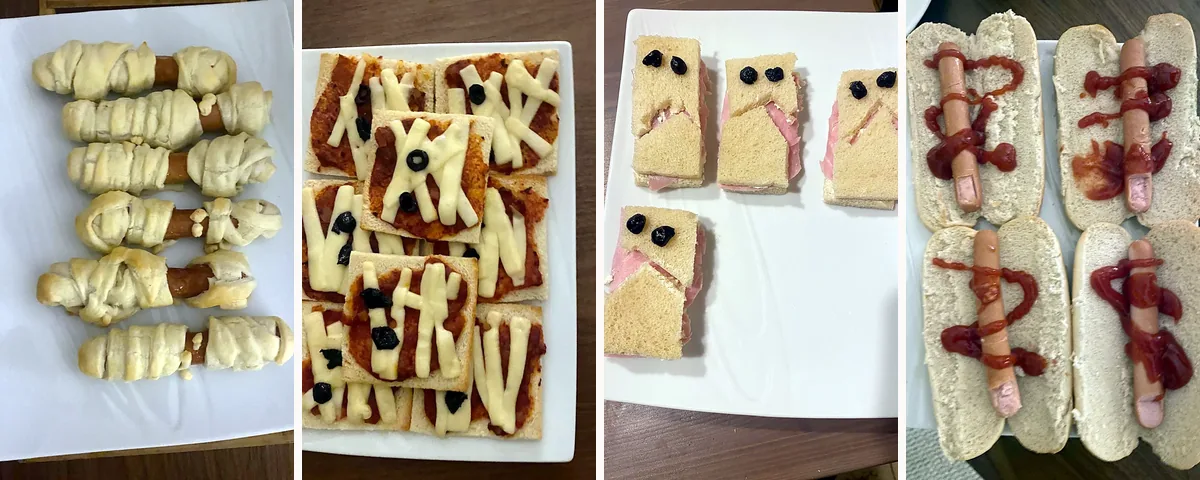 Blog · By AdèleMy homemade Halloween: my recipes and tips despite my allergiesA homemade menu, a few adaptations and ideas for Halloween, by Adèle: puff pastry mummies, mummy toasts, mini sandwiches, hot dogs and a chocolate graveyard.
 Peanut allergy: where are peanuts hiding?The names peanuts go by on labels, the dishes and cuisines where they hide, and good everyday habits at home and in restaurants.
 Food allergy at school: getting ready for the new school year and the PAIPAI, emergency kit, school canteen, school trips: the checklist for a calm start to the school year when your child has a food allergy.