Food allergy at school: getting ready for the new school year and the PAI
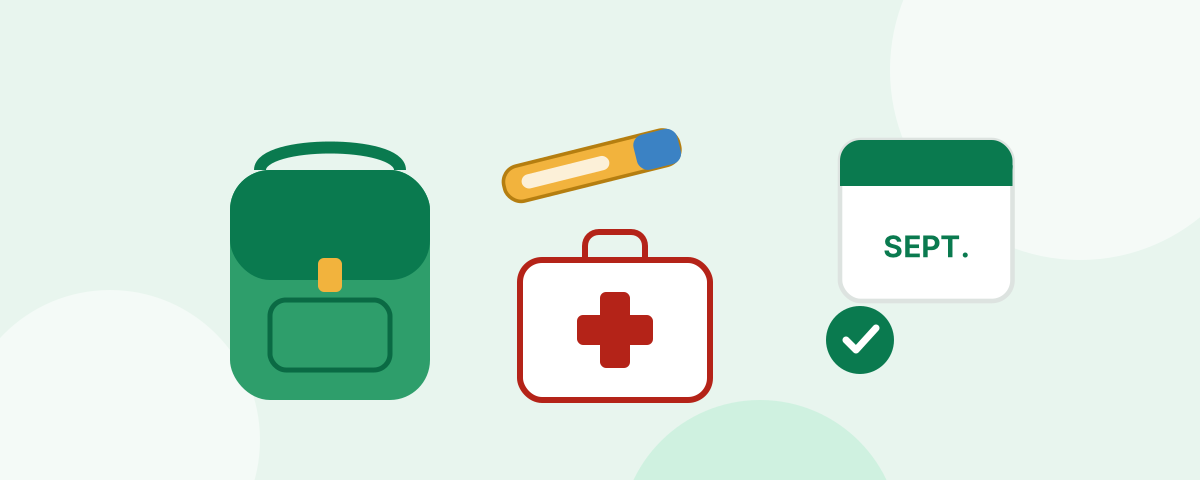
A child with an allergy can go to school and eat in the school canteen (the cantine). In France, the key tool for this is the PAI (Projet d’accueil individualisé, the French school allergy and health plan). Here is how to prepare it, and the parents’ checklist for every new school year.
- Medical appointmentCheck-up, prescription and emergency protocol up to date.
- School and town hallSet up or review the PAI, let the school canteen know.
- Emergency kitPrescribed treatments and expiry dates checked.
- After-school clubNurseries and holiday clubs are familiar with the PAI.
- School tripsThe kit goes with the child on outings and school residential trips.
- Your childThey know how to say what they can’t eat.
What is the PAI?
The PAI is a document that organises your child’s time at school while taking their health into account: meals, treatment, what to do in case of a reaction. It is governed by the circular of 10 February 2021.
- It is set up by the head of the school at the parents’ request (or with their agreement).
- It is drawn up with the Éducation nationale doctor (the doctor of the French state school system), or the PMI doctor (Protection maternelle et infantile, the French mother-and-child health service) for the youngest children, based on information from the doctor who follows your child.
- It can include an emergency protocol: what to do, and who should do it, in case of a reaction.
- Everyone involved in applying it is invited to sign it.
Ask for it as early as possible, ideally before the school year starts.
The back-to-school checklist
- See the doctor or allergist: an up-to-date check-up, prescription and emergency protocol.
- Contact the school to set up or review the PAI, and the catering service (the mairie, i.e. the town hall) for the canteen.
- Prepare the emergency kit provided by the family: prescribed treatments, adrenaline auto-injector(s) if prescribed, a copy of the protocol. Check the expiry dates.
- Think about before- and after-school care (périscolaire): childcare, holiday and leisure centres, canteen. The staff must know the PAI and know where the kit is.
- Plan ahead for outings and residential school trips (classes vertes): the kit must go wherever your child goes. For meals eaten out, see Eating out with a food allergy.
- Prepare your child: depending on their age, they should be able to say what they cannot eat and who to turn to. Our guides on peanuts and milk help them recognise the pitfalls.
What askadèle can do for you
- A printable emergency plan (auto-injectors, people to call, what to do) to add to the file or give to the staff.
- A guest link for the school, the childminder or the grandparents: allergies and what to do, always up to date, no account needed.
- A reminder before the adrenaline auto-injector expires.
- Child mode, so your child can check a product themselves and get a simple answer.
Discover all of askadèle’s features.
If you run into difficulties
If setting things up goes badly, contact the Éducation nationale doctor for your area, patient associations, or the Défenseur des droits (the French rights ombudsman).
Scan a barcode: the app compares the ingredients with your allergies. Free, no sign-up.
Find a restaurant that publishes its allergens
GrenobleParisMarseilleLyonLe HavreReimsRennesAngersBordeauxDeauvilleLilleNantes
Sources
- La mise en place d'un projet d'accueil individualisé — education.gouv.fr
- Allergie alimentaire : mesures au quotidien — ameli.fr
- Prise en charge des allergies alimentaires en milieu scolaire — Revue française d'allergologie (EM consulte)
Read next
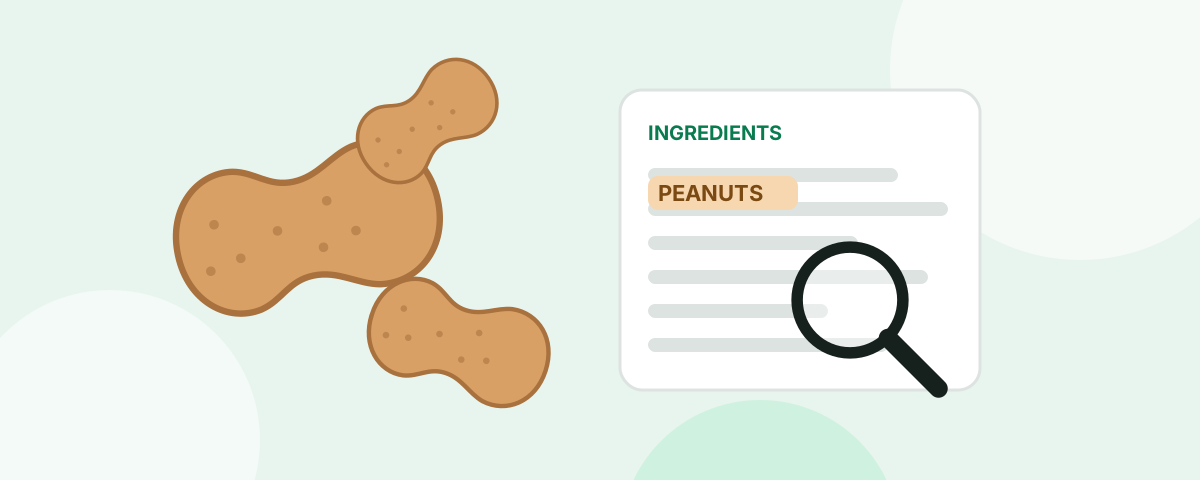 Peanut allergy: where are peanuts hiding?The names peanuts go by on labels, the dishes and cuisines where they hide, and good everyday habits at home and in restaurants.
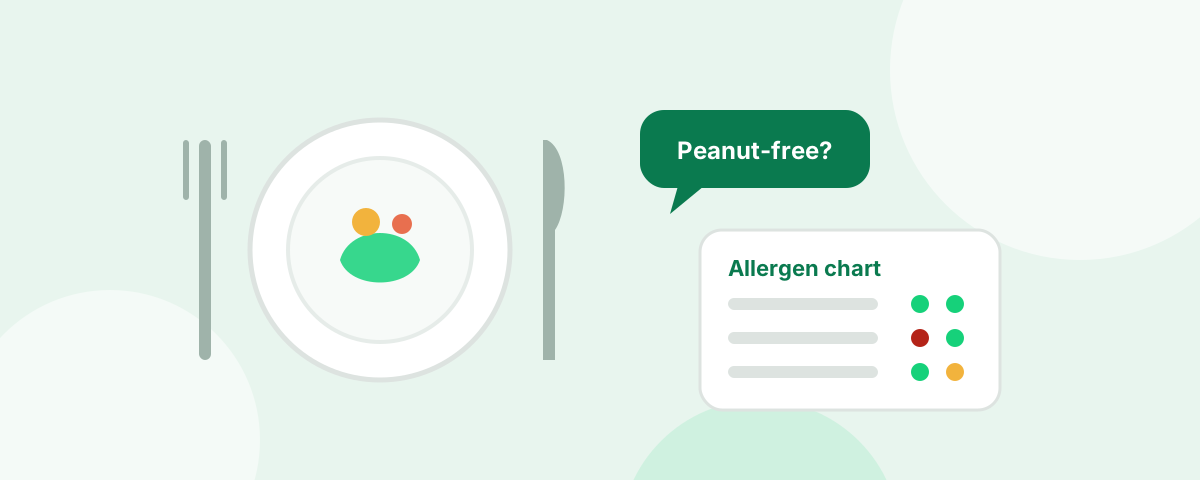 Eating out with a food allergy: the practical guideChoosing a restaurant, what the law requires, the questions to ask the waiter and the pitfalls in the kitchen: everything you need to eat out with peace of mind.
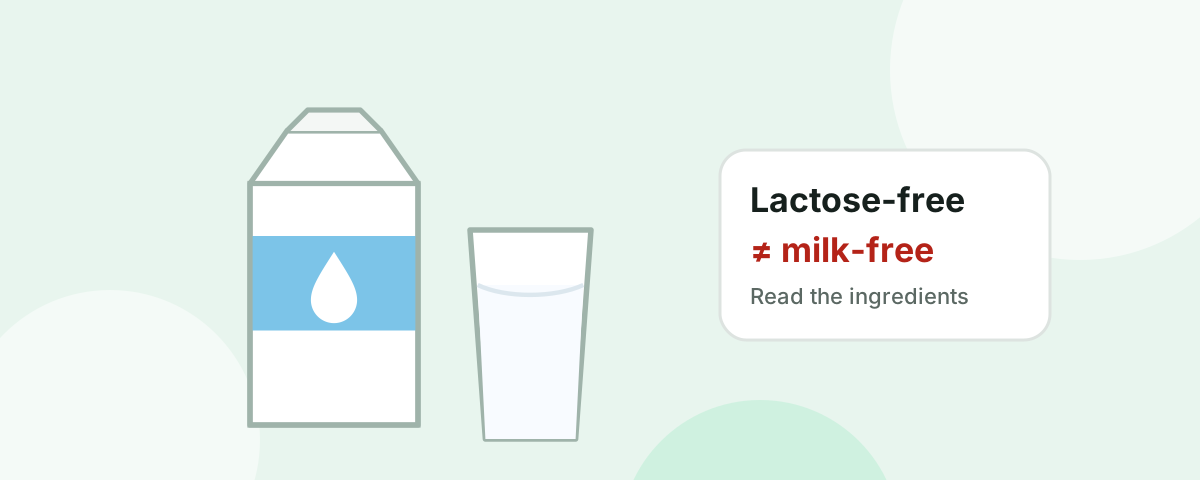 Milk allergy: the words to know and the “lactose-free” trapCasein, whey, butter: spotting milk on labels, understanding the difference between an allergy and lactose intolerance, eating out.