Peanut allergy: where are peanuts hiding?
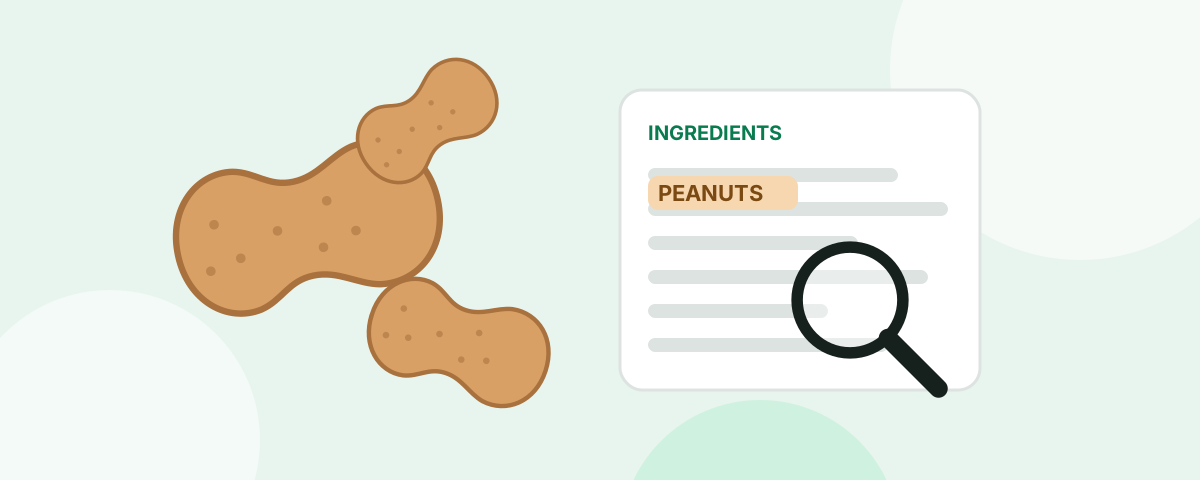
Peanuts are one of the 14 regulated allergens that the law requires to be declared. Peanut allergy is also one of the food allergies that can cause severe reactions, so you need to stay vigilant at all times, at home and when you are out.
The names to look for on the label
On packaged food, peanuts must be highlighted in the ingredients list (in bold, underlined or in a different colour). They can appear under several names:
- peanut, groundnut, arachis;
- peanut butter, peanut paste;
- peanut oil, groundnut oil, arachis oil;
- peanut protein, peanut flour.
Read the list every time you buy: a recipe can change while the packaging barely changes at all.
- The allergen is highlightedBold, capitals or colour: it’s mandatory.
- “May contain…” is optionalYour allergist will tell you whether you need to avoid these products.
- Re-read with every purchaseA recipe can change without warning.
Products where you would not expect them
- World cuisines: satay sauce, mafé (West African peanut stew), curries, pad thai, spring rolls, some African, Indian or Asian dishes.
- Sweet foods: biscuits, cereal bars, chocolates, pralines, nougat, ice cream, crunchy toppings.
- Savoury foods: snacks and nibbles, seed mixes, mixed salads, ready-made sauces, some pestos.
- Loose and deli-counter products, where information is less visible and cross-contact is more frequent.
“May contain traces”: what should you do?
The statement “may contain traces of peanuts” is voluntary: manufacturers add it when there is a risk of cross-contamination in their factory. So its absence does not guarantee that there are no traces.
Should you avoid these products? That is for your allergist to tell you, depending on your allergy. In askadèle, you can set this allergy by allergy (“Traces avoided” or “Traces tolerated”).
Peanuts and tree nuts
Peanuts are legumes, not tree nuts. But many people with a peanut allergy also need to avoid some tree nuts, and the two are often found in the same products or made in the same facilities. Ask your allergist what applies to you. Milk also hides under many names: see Milk allergy: the words to know.
At the restaurant
- Say so before you order, even for a dish that looks simple.
- Ask for the allergen chart: since 2015, restaurants in France must be able to provide it in writing.
- Be careful with fried food (oil also used for other products), desserts and homemade sauces.
- With askadèle, check in advance the peanut-free dishes at restaurants in your town that publish their menu.
All our tips for eating out with peace of mind are gathered in the guide Eating out with a food allergy.
Be ready in case of a reaction
If your doctor has prescribed an adrenaline auto-injector, always carry it with you and check its expiry date. In case of a severe reaction, use it as your doctor showed you and call 15 (the SAMU, the French emergency medical number) or 112. askadèle helps you prepare an emergency plan to give to the school or to family and friends: see also our guide Getting ready for the school year and the PAI.
Scan a barcode: the app compares the ingredients with your allergies. Free, no sign-up.
peanut-free restaurants near you
GrenobleParisMarseilleLyonLe HavreReimsRennesAngersBordeauxDeauvilleLilleNantes
Sources
- Allergènes alimentaires — sante.fr
- Allergènes : règles d'étiquetage — service-public.fr
- Allergie alimentaire : consultation et mesures au quotidien — ameli.fr
Read next
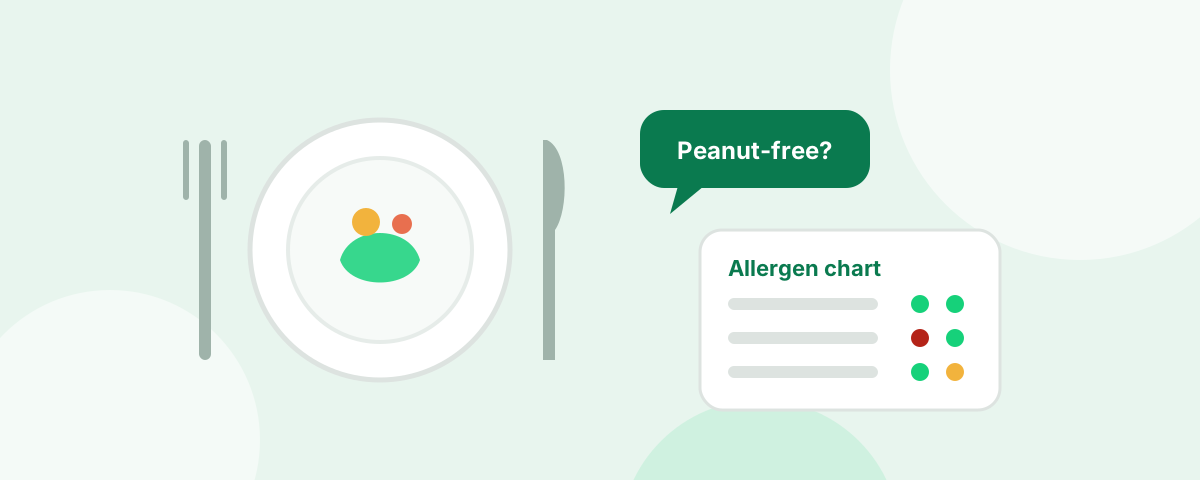 Eating out with a food allergy: the practical guideChoosing a restaurant, what the law requires, the questions to ask the waiter and the pitfalls in the kitchen: everything you need to eat out with peace of mind.
 Food allergy at school: getting ready for the new school year and the PAIPAI, emergency kit, school canteen, school trips: the checklist for a calm start to the school year when your child has a food allergy.
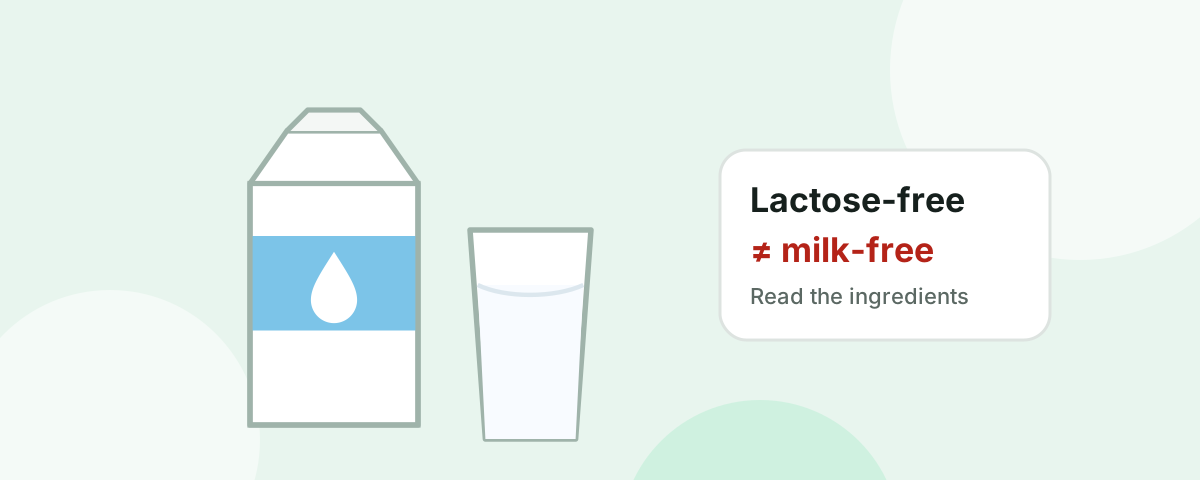 Milk allergy: the words to know and the “lactose-free” trapCasein, whey, butter: spotting milk on labels, understanding the difference between an allergy and lactose intolerance, eating out.