Wheat allergy or coeliac disease: reading “gluten-free” labels correctly
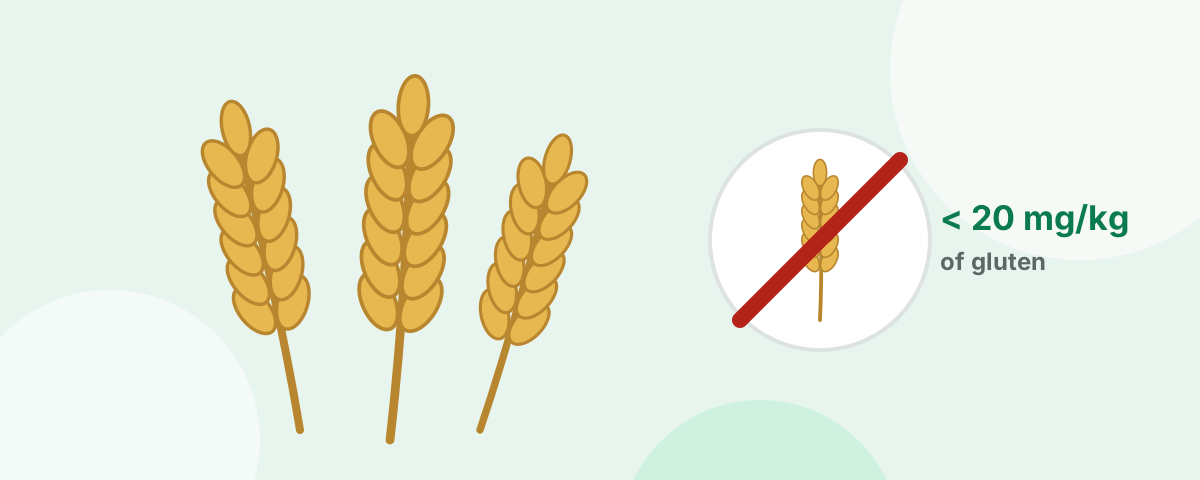
On labels, the law refers to “cereals containing gluten”: wheat, rye, barley, oats, spelt, kamut and their hybrids. Yet this single word covers very different situations.
Three situations not to confuse
- Wheat allergy: an immune system reaction to wheat proteins. It can be immediate and sometimes severe. Depending on the person, other cereals may or may not be tolerated.
- Coeliac disease: an autoimmune disease triggered by gluten. The treatment is a strictly gluten-free diet, for life.
- Gluten sensitivity: digestive symptoms without an allergy or coeliac disease.
An immune reaction to wheat proteins. Watch out for wheat starch in some “gluten-free” products.
Autoimmune disease: a strictly gluten-free diet, for life. Cross-contamination matters.
Digestive symptoms, without allergy or coeliac disease. Talk to your doctor.
Diagnosis and the diet to follow are a matter for your doctor: this guide only helps you read labels.
What the “gluten-free” label guarantees
In Europe, a product can be labelled “gluten-free” if it contains less than 20 mg of gluten per kilo. This is the reference standard for coeliac disease.
But be careful with a wheat allergy: some “gluten-free” products contain wheat starch from which the gluten has been removed. They suit many people with coeliac disease, but not necessarily someone allergic to wheat. Read the ingredients list.
The words to look for
- wheat, durum wheat, spelt, kamut, rye, barley, oats;
- flour, semolina, bulgur, couscous, breadcrumbs, pasta;
- malt, malt extract, seitan;
- wheat starch, wheat protein.
Products where you would not expect it
- sauces thickened with flour, roux, béchamel, ready-made stocks and bases;
- regular soy sauce, beer;
- cured and processed meats, ready meals, breaded coatings;
- fryers shared with breaded products.
At the restaurant
- Ask for the allergen chart and specify wheat allergy or coeliac disease: the precautions are not the same.
- For coeliac disease, cross-contamination matters: fryer, work surface, pasta cooking water.
- On askadèle, restaurants state whether they have a dedicated fryer or a gluten-free kitchen (these precautions count towards the askadèle Score). Find gluten-free dishes near you.
Our tips for choosing a restaurant and talking to the waiter: Eating out with a food allergy.
Scan a barcode: the app compares the ingredients with your allergies. Free, no sign-up.
gluten-free restaurants near you
GrenobleParisMarseilleLyonLe HavreReimsRennesAngersBordeauxDeauvilleLilleNantes
Sources
- Allergènes : règles d'étiquetage — service-public.fr
- Allergènes alimentaires — sante.fr
- Intolérance, hypersensibilité, allergie au gluten — FMC-HGE
Read next
 Eating out with a food allergy: the practical guideChoosing a restaurant, what the law requires, the questions to ask the waiter and the pitfalls in the kitchen: everything you need to eat out with peace of mind.
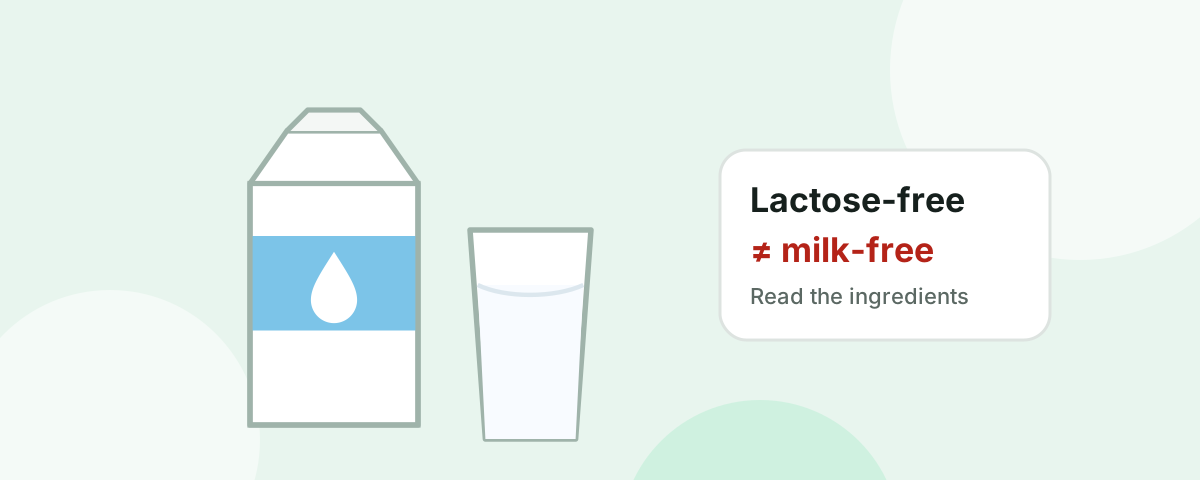 Milk allergy: the words to know and the “lactose-free” trapCasein, whey, butter: spotting milk on labels, understanding the difference between an allergy and lactose intolerance, eating out.
 Peanut allergy: where are peanuts hiding?The names peanuts go by on labels, the dishes and cuisines where they hide, and good everyday habits at home and in restaurants.